Better processes lead to better outcomes.
From your first conversation to an embedded training framework — here's what to expect, and when.
Reach out through our contact page or book a call. We'll ask a few questions about your team, your industry and what's prompting you to look into training now.

We learn more about your organization — team size, existing policies, prior training and the specific pressures your people are facing — so recommendations are grounded in your reality.

Based on discovery, we recommend the right mix of programs: foundational training, licensed certifications like ASIST or safeTALK, leadership development, or a phased rollout across your organization.
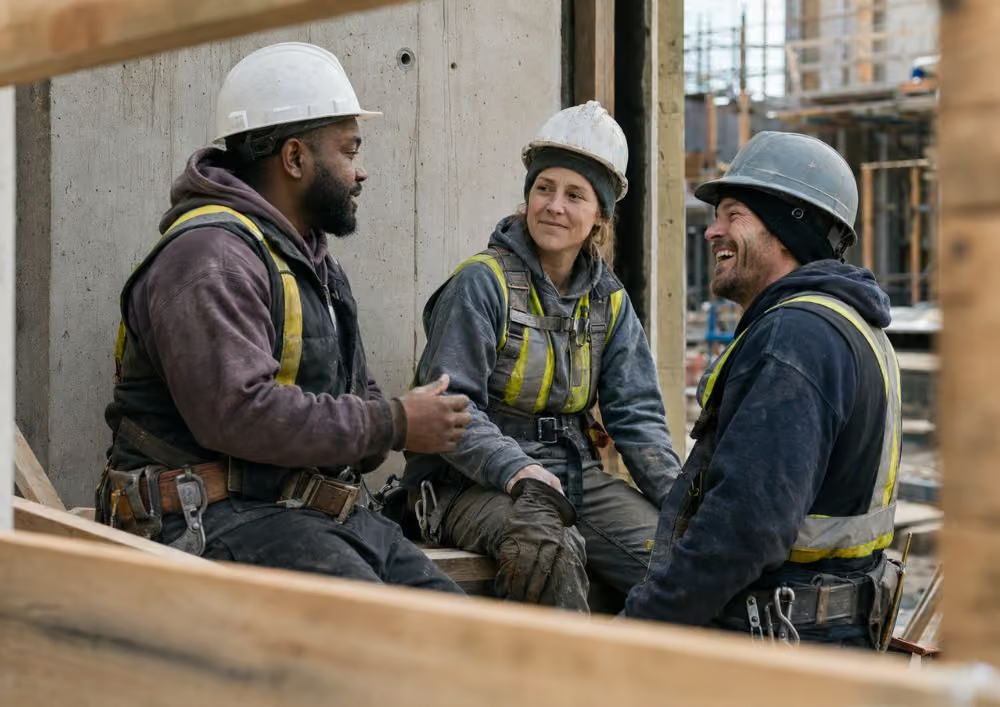
Training is delivered in person or virtually, in the format and group size that works for your team, led by our licensed and experienced facilitators.
.avif)
Begin with the audience, the situations they face and what you want them to be able to do differently. A discovery conversation can identify whether a standard program, customized workshop or phased learning plan is the best fit.
Many workshops can be adapted to reflect your sector, roles and workplace situations. Licensed or certified programs must retain required content and delivery standards.
Yes — both in-person and virtual options for most trainings, except ASIST and safeTALK, which can only be delivered in person.
Group size depends on content, format and program requirements. Smaller groups may support deeper practice; some licensed courses set participant limits.
Some recognized programs may include a certificate when all requirements are met; customized workshops may include proof of participation. Confirm exact terms for each offering.
Awareness increases understanding. Skills training also gives people language, practice and a process they can apply when a real concern arises.
No. Training supports knowledge and workplace capability; it does not provide diagnosis, therapy, legal advice or a substitute for policies, professional care or emergency response.
Pricing depends on program requirements, participant count, customization, format, location and materials. Contact us for a tailored proposal.